The Rise of Slow Living in a Fast-Paced World
Laurie Lucas
May 27, 2026
Modern life often feels like a constant race.
People move quickly between work, notifications, deadlines, social media updates, responsibilities, and endless digital distractions. Productivity has become heavily glorified, while rest and stillness are often treated as laziness rather than necessities.
As technology accelerates daily life, many people are beginning to feel emotionally exhausted, overstimulated, and disconnected from the present moment.
This growing burnout is one reason the concept of “slow living” has gained significant popularity in recent years. More people are questioning whether constantly moving faster actually leads to greater happiness or fulfillment.
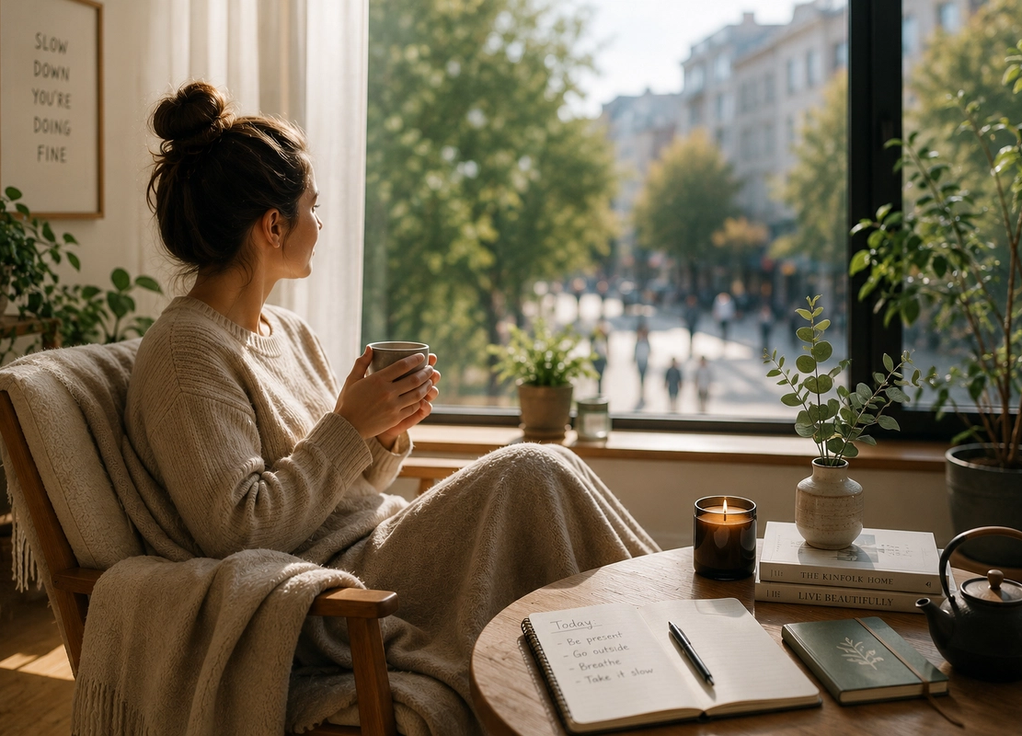
Instead of chasing nonstop productivity, slow living encourages a more intentional, balanced, and mindful approach to everyday life.
Key Takeaways
- Slow living focuses on intentionality rather than constant productivity
- Many people are seeking balance in response to burnout and digital overload
- The movement encourages mindfulness, simplicity, and healthier routines
- Slow living does not mean abandoning ambition or modern life completely
- Small lifestyle changes can significantly improve mental well-being
1. People Are Becoming Overwhelmed by Constant Stimulation
One major reason slow living is growing in popularity is because modern life rarely allows the brain to fully rest.
Many people spend entire days switching between emails, social media, work tasks, notifications, streaming content, and digital communication without meaningful pauses. Even moments that were once quiet — waiting in line, commuting, or eating alone — are now often filled with screen time and information consumption.
This constant stimulation can leave people mentally exhausted and emotionally drained.
Slow living encourages creating more space for rest, focus, reflection, and presence instead of constantly multitasking or rushing through daily routines.
2. Productivity Culture Has Created Widespread Burnout
Modern culture often treats busyness as a symbol of success.
People frequently feel pressure to optimize every hour, stay constantly productive, and turn hobbies, fitness, or even relaxation into measurable achievements. Over time, this mindset can create chronic stress and emotional fatigue.
Slow living challenges the idea that human worth should always be connected to productivity.
Instead, the movement emphasizes quality over speed and encourages people to value rest, relationships, health, and meaningful experiences just as much as professional achievement.
For many individuals, slow living represents a reaction against burnout rather than a rejection of ambition itself.
3. Simplicity Is Becoming More Appealing
As consumer culture and digital overload continue expanding, many people are beginning to crave simplicity.
Slow living often encourages reducing unnecessary clutter, commitments, distractions, and mental noise. This does not necessarily mean abandoning technology or moving to the countryside — it simply means becoming more intentional about how time, energy, and attention are spent.
Simple routines like cooking at home, spending time outdoors, reading, walking, or disconnecting from screens are becoming increasingly valuable to people seeking emotional balance.
In a world built around speed and constant consumption, simplicity can feel surprisingly calming.
4. Slow Living Encourages More Meaningful Connections
One consequence of fast-paced modern life is that many interactions start feeling rushed or superficial.
People often multitask during conversations, check phones constantly, or struggle to remain fully present with others. Slow living encourages deeper attention toward relationships, communication, and shared experiences.
This mindset often helps people reconnect with activities that feel genuinely fulfilling rather than endlessly distracting.
Spending uninterrupted time with family, friends, or even alone with one’s thoughts can create a stronger sense of emotional clarity and connection.
5. The Movement Is About Balance, Not Escaping Society
One common misconception is that slow living requires abandoning careers, technology, or modern responsibilities completely.
In reality, most people practicing slow living still work, use smartphones, and participate fully in modern society. The difference is that they try to approach life more intentionally rather than operating in constant urgency.
Slow living is less about doing everything slowly and more about deciding what truly deserves attention.
For some people, this means limiting screen time or simplifying schedules. For others, it means protecting personal time, creating healthier routines, or learning how to rest without guilt.
Social Media Helped Spread the Movement
Ironically, social media itself helped popularize slow living.
Platforms filled with burnout discussions, wellness content, minimalist lifestyles, and mental health conversations exposed millions of people to alternative ways of thinking about success and happiness.
At the same time, social media can also contradict the movement by encouraging comparison, overconsumption, and constant stimulation.
This creates an interesting tension where many people discover slow living online while also trying to escape some of the pressures digital culture creates.
Younger Generations Are Rethinking Success
Many younger people are beginning to question traditional ideas surrounding work, productivity, and achievement.
Instead of defining success purely through income or career status, some now prioritize flexibility, mental health, personal fulfillment, and work-life balance more heavily than previous generations often did.
The rise of remote work, digital entrepreneurship, and flexible lifestyles has also made alternative ways of living feel more accessible.
Slow living reflects a broader cultural shift toward valuing well-being alongside ambition rather than sacrificing one entirely for the other.
Slowing Down Does Not Mean Falling Behind
One fear people often have is that slowing down means becoming less successful or less productive.
But many advocates of slow living argue the opposite can actually happen. Rest, focus, and balance often improve creativity, decision-making, emotional resilience, and long-term consistency.
Constant exhaustion rarely leads to sustainable happiness or performance.
In many cases, slowing down helps people become more present, intentional, and satisfied with how they spend their lives.
A Fast World Is Creating a Desire for Slower Moments
The popularity of slow living reflects a growing realization that faster is not always better.
As modern life becomes increasingly digital, connected, and demanding, more people are searching for ways to feel calmer, healthier, and more grounded.
Slow living does not offer a perfect escape from stress or responsibility. Instead, it encourages people to move through life with greater awareness and intention rather than constantly reacting to pressure and noise.
And in a world that rarely stops moving, even small moments of slowness can start to feel deeply valuable.