
The Quiet Rise of the 4-Day Work Week
Sarah Lee
May 27, 2026
For decades, the five-day work week was treated as a permanent part of modern life.
Most employees organized their schedules around the same structure: five working days followed by two days of recovery before repeating the cycle again. But in recent years, more companies around the world have started questioning whether that model still makes sense in a digital economy shaped by automation, remote work, and changing attitudes toward productivity.
As burnout and workplace dissatisfaction continue growing, the idea of a four-day work week is gaining serious attention.
What once sounded unrealistic or overly idealistic is now being tested by businesses, governments, and researchers globally — and the results are surprising many people.
Key Takeaways
- More companies are experimenting with four-day work weeks
- Studies show shorter work weeks can improve productivity and well-being
- Burnout and workplace stress accelerated interest in the model
- Many employees now value flexibility more than traditional schedules
- The future of work may focus more on results than hours spent working
1. Burnout Changed How People Think About Work
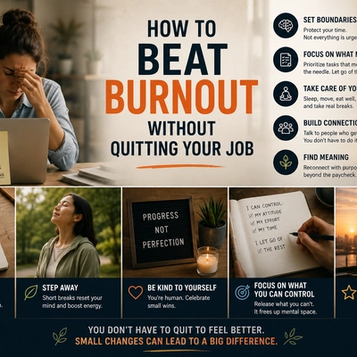
One major reason the four-day work week is gaining popularity is widespread exhaustion.
Many employees feel overwhelmed by long hours, constant digital communication, and blurred boundaries between work and personal life. Remote work and smartphones made it possible to stay connected almost constantly, which often increased mental fatigue instead of reducing it.
As burnout became more common, companies started reconsidering whether longer schedules actually improve productivity at all.
For many workers, the traditional five-day structure increasingly feels outdated in a world where technology already allows work to happen faster and more efficiently than before.
2. Studies Show Productivity Often Improves
One surprising discovery from four-day work week trials is that productivity frequently stays the same — or even increases.
Many companies found that employees became more focused, organized, and efficient when given shorter work weeks. With less time available, workers often spend fewer hours in unnecessary meetings, distractions, or low-value tasks.
This challenges the long-standing assumption that more hours automatically lead to better results.
In many cases, employees working fewer days produced similar output while experiencing lower stress and better concentration.
3. Employees Increasingly Value Flexibility
Work culture changed dramatically over the past decade.
Many workers, especially younger generations, now prioritize flexibility, mental health, and work-life balance far more heavily than previous generations often did. Salary still matters, but people increasingly care about how work affects their overall quality of life.
The four-day work week appeals to employees because it creates more time for family, rest, hobbies, travel, and personal responsibilities without necessarily reducing income.
For many people, time itself became one of the most valuable workplace benefits.
4. Technology Made Shorter Work Weeks More Realistic
Modern technology helped make shorter schedules more possible.
Automation, AI tools, cloud systems, and digital collaboration platforms allow companies to complete tasks far more efficiently than older workplace models required. Many jobs no longer depend on fixed industrial-era schedules built around physical labor and factory systems.
As productivity tools improve, some businesses are realizing employees may not need forty or more hours weekly to achieve strong results consistently.
The conversation is increasingly shifting from hours worked to outcomes produced.
5. Companies Use It to Attract and Retain Talent
The four-day work week also became a competitive advantage in hiring.
As labor markets evolve, companies are searching for ways to attract skilled employees without endlessly increasing salaries. Offering shorter work weeks can make businesses stand out while improving employee satisfaction and retention simultaneously.
Many workers view flexible schedules as signs that companies prioritize well-being rather than constant overwork.
This is especially important in industries struggling with burnout, turnover, and workplace dissatisfaction.
Not Every Industry Can Easily Adopt It
Despite growing interest, the four-day work week is not simple for every business.
Industries involving healthcare, retail, manufacturing, transportation, hospitality, and emergency services often require constant staffing or physical presence. Some companies may struggle to reduce workdays without hiring more employees or restructuring operations significantly.
The model also works differently depending on whether companies reduce hours completely or simply compress full-time schedules into fewer days.
There is no universal system that fits every workplace equally.
Critics Worry About Work Intensification
Some critics argue shorter work weeks could unintentionally create new problems.
Employees may feel pressure to complete the same workload in less time, leading to intensified schedules and higher stress during working hours themselves. Others worry some companies may quietly expect workers to remain digitally available even during “off” days.
The success of four-day work weeks often depends heavily on workplace culture, management expectations, and realistic workload planning.
Simply reducing calendar days alone does not automatically create healthier work environments.
The Pandemic Accelerated the Conversation
COVID-19 dramatically changed how people think about work.
Remote work, flexible schedules, and changing priorities forced many employees and employers to reconsider long-standing assumptions about productivity and office culture. Millions of people experienced greater schedule flexibility for the first time and became less willing to return to rigid traditional systems afterward.
The pandemic accelerated broader conversations about burnout, work-life balance, and mental health globally.
The rise of the four-day work week is partly connected to that larger cultural reevaluation.
Work Culture May Be Slowly Changing
The growing interest in four-day schedules reflects something deeper than just shorter weekends.
It represents a broader shift in how people define productivity, success, and quality of life in modern society. For decades, long hours were often treated as symbols of ambition and dedication. Increasingly, however, many workers are questioning whether constant exhaustion should really be considered normal.
The future of work may not become universally four days per week anytime soon.
But the quiet rise of the four-day work week suggests that people are increasingly searching for a healthier balance between professional achievement and actually having time to live their lives outside of work.