7 Reasons Subscriptions Dominate Tech Products
Laurie Lucas
May 27, 2026
Not long ago, buying technology usually meant making a one-time purchase.
People bought software once and owned it for years. Music collections sat on shelves. Movies came on DVDs. Even professional tools were often sold as permanent products instead of ongoing services.
Today, that model has changed dramatically.
From streaming platforms and cloud storage to productivity apps and fitness services, subscriptions now dominate the technology industry. Consumers pay monthly fees for everything from entertainment and software to smart home features and AI tools.
While many users complain about “subscription fatigue,” companies continue moving aggressively toward recurring payment models because subscriptions offer enormous business advantages.
The shift is not random. It reflects how modern technology, digital services, and consumer behavior have evolved together.
Key Takeaways
- Subscription models create predictable recurring revenue for companies
- Cloud-based technology works better with ongoing payment systems
- Frequent updates and online services encourage long-term subscriptions
- Companies can continuously collect user data and improve products
- Consumers increasingly prioritize convenience over ownership
1. Predictable Revenue Is Extremely Valuable
One of the biggest reasons companies prefer subscriptions is simple: predictable income.
Traditional one-time sales create uncertainty. A company may sell millions of copies of a product one year and struggle the next.
Subscriptions solve this problem by generating recurring monthly or yearly revenue.
This stability allows companies to plan more confidently for hiring, development, infrastructure, and expansion.
Investors also love subscription businesses because predictable revenue often makes companies appear more financially stable and valuable.
This is one reason many tech giants aggressively shifted toward subscription ecosystems over the past decade.
2. Cloud Technology Changed Everything
Modern software no longer lives entirely on a user’s device.
Many services now depend on cloud computing, meaning features, storage, and processing happen on remote servers operated by the company itself.
Cloud infrastructure requires constant maintenance, security monitoring, and server costs.
Subscriptions help companies continuously fund these ongoing operational expenses.
Streaming services, online gaming platforms, AI tools, and cloud storage systems all rely heavily on massive server networks running 24 hours a day.
Unlike older software sold on physical discs, modern digital services often require permanent online support to function properly.
That makes recurring payment models far easier to sustain.
3. Continuous Updates Became the New Standard
Technology products no longer stay “finished” after launch.
Today’s apps and platforms receive constant updates, including:
security patches, new features, interface redesigns, bug fixes, AI improvements, and compatibility upgrades.
Consumers now expect software to evolve continuously instead of remaining static for years.
Subscriptions give companies a steady stream of funding to maintain this nonstop development cycle.
In many ways, modern tech products function more like living services than completed products.
The subscription model fits that reality perfectly.
4. Subscriptions Increase Customer Retention
Once users subscribe to a service, they often remain inside that ecosystem for long periods.
This creates what companies call “customer lock-in.”
People build habits around certain platforms. Files become stored in cloud systems. Playlists, preferences, workspaces, and digital libraries become tied to specific accounts.
Over time, switching to competitors becomes inconvenient.
This long-term retention is extremely valuable because keeping existing customers is usually far cheaper than constantly finding new ones.
Subscription ecosystems are designed not only to attract users, but to keep them engaged for years.
5. Data Collection Improves Products and Profits
Modern subscription services continuously collect enormous amounts of user data.
Companies analyze how people:
watch content, use apps, browse platforms, interact with features, make purchases, and spend time online.
This information helps businesses improve products, personalize recommendations, and increase engagement.
Streaming platforms use viewing behavior to recommend shows. Productivity apps study usage patterns to improve workflows. AI companies train systems using massive amounts of real user interaction.
The longer users remain subscribed, the more valuable this data becomes.
In many cases, subscriptions provide not only revenue, but also a continuous stream of behavioral insights.
6. Consumers Increasingly Prefer Convenience
Although many people dislike paying multiple subscriptions, convenience often wins.
Subscriptions eliminate large upfront costs and provide instant access to massive libraries of content or services.
Instead of purchasing individual albums, movies, or software licenses, users gain access to entire ecosystems immediately.
For many consumers, paying smaller monthly fees feels psychologically easier than large one-time purchases.
This convenience-driven mindset helped accelerate the rise of streaming, SaaS platforms, cloud gaming, and subscription-based AI tools.
Ownership matters less to many younger consumers than accessibility and flexibility.
7. Subscriptions Create Long-Term Business Growth
Subscription businesses often grow differently from traditional companies.
Instead of depending entirely on constant new product launches, companies can scale recurring income gradually over time.
As subscriber numbers increase, revenue becomes more stable and predictable.
This model can produce enormous long-term profits, especially for digital products where serving additional users costs relatively little after infrastructure is built.
Many of today’s largest tech companies rely heavily on recurring subscriptions because they create sustainable growth opportunities over many years.
For businesses, recurring payments are often far more attractive than unpredictable one-time transactions.
The Subscription Economy Extends Beyond Software
Subscriptions are no longer limited to entertainment or productivity apps.
Today, companies apply subscription models to:
cars, fitness equipment, smart devices, online education, AI assistants, security systems, and even household appliances.
Some companies now lock advanced features behind monthly payment plans even after consumers purchase the physical product itself.
This expansion reflects a major shift in how businesses think about ownership and access.
Increasingly, companies prioritize ongoing relationships over single purchases.
Many Consumers Are Growing Frustrated
Despite the popularity of subscriptions, frustration is growing rapidly.
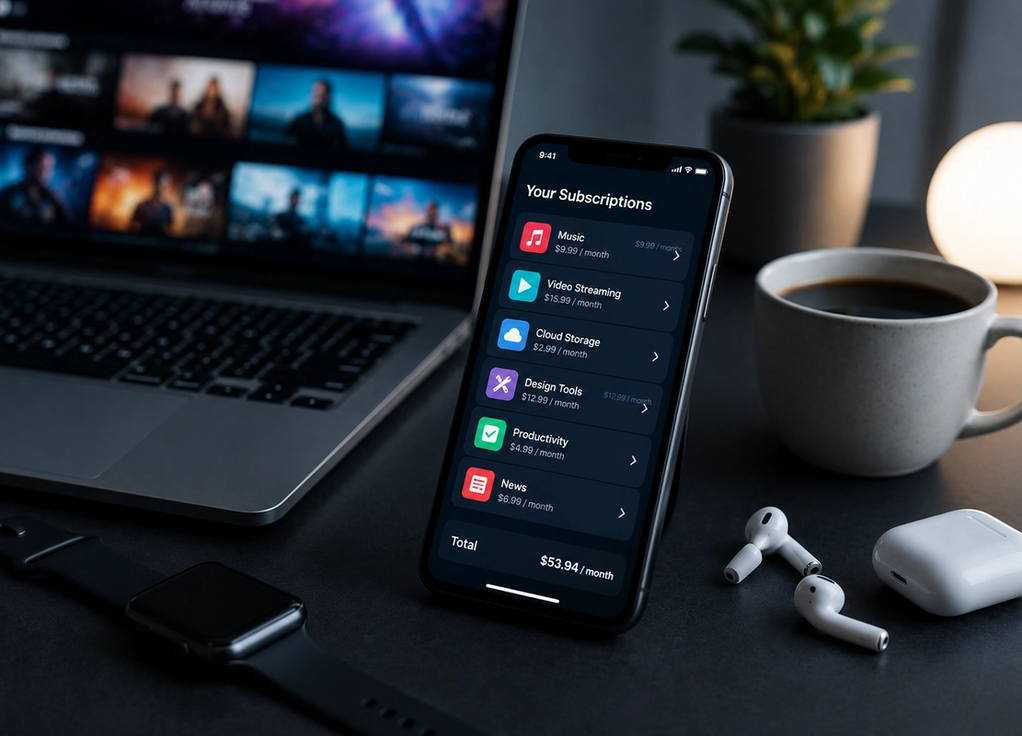
People now manage monthly payments for music, movies, cloud storage, software, gaming, fitness, and countless other services simultaneously.
Small recurring charges accumulate quickly.
Many consumers also dislike losing access to products or content once subscriptions end.
This growing fatigue has sparked debates about whether the subscription economy has gone too far.
Still, despite complaints, subscription-based models continue expanding because they remain highly profitable and deeply integrated into modern digital infrastructure.
Ownership Is Slowly Being Replaced by Access
One of the biggest cultural shifts behind subscriptions is changing attitudes toward ownership itself.
In the past, people valued permanently owning music, movies, software, and physical media.
Today, many consumers prioritize convenience, streaming access, cloud synchronization, and constant updates instead.
This shift has transformed technology from a product-based industry into a service-based economy.
Increasingly, people do not buy technology outright — they temporarily access it through ongoing payments.
The Subscription Model Is Likely Here to Stay
Subscriptions dominate tech products because they align perfectly with how modern digital services operate.
They provide companies with predictable revenue, long-term customer retention, continuous data collection, and scalable growth opportunities.
At the same time, consumers gain convenience, flexibility, and constant access to evolving platforms.
Whether people love or hate subscriptions, the model has fundamentally reshaped the technology industry.
And as AI, cloud computing, and connected devices continue expanding, subscriptions will likely become even more deeply embedded in everyday digital life.