Why Sequels and Reboots Keep Dominating Hollywood
Sarah Lee
May 27, 2026
It sometimes feels like Hollywood keeps recycling the same stories over and over again.
Every year brings another superhero sequel, live-action remake, rebooted franchise, or revival of a movie people thought ended decades ago. Original films still exist, but they often receive far less attention and marketing compared to familiar franchises with recognizable names.
For many audiences, this trend has become frustrating.
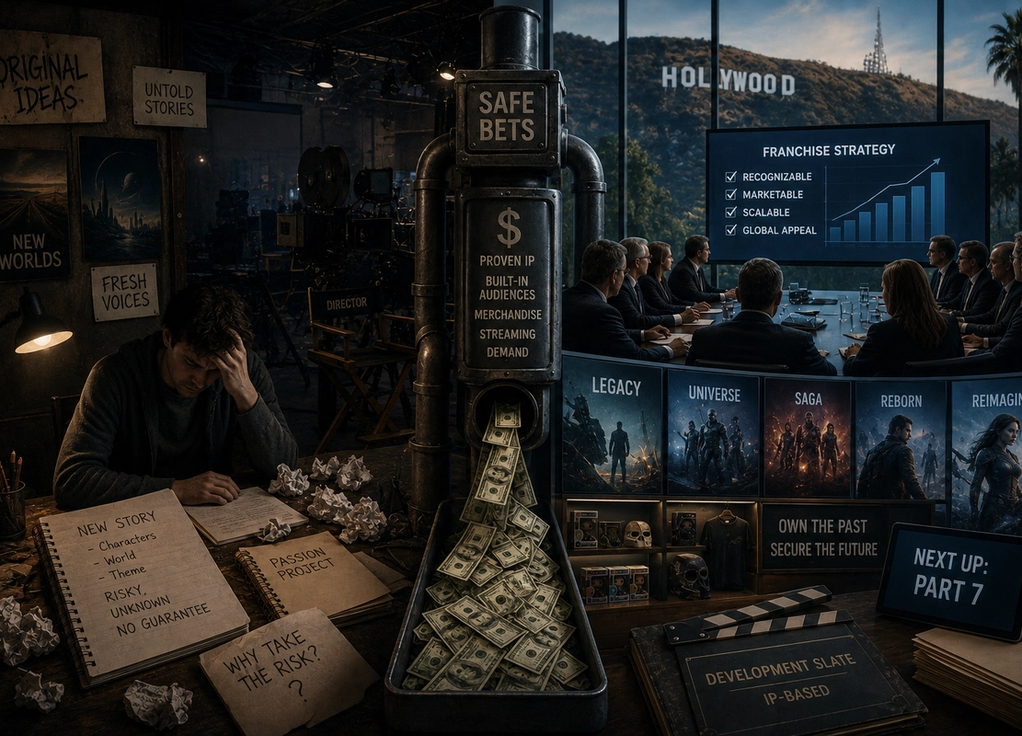
People frequently complain that Hollywood “ran out of ideas,” yet studios continue investing heavily in sequels and reboots because, financially, they remain one of the safest strategies in the entertainment industry.
The reason these projects dominate modern cinema has less to do with creativity disappearing and far more to do with how the movie business changed over the past two decades.
Key Takeaways
- Familiar franchises are considered safer financial investments
- Streaming and global audiences changed Hollywood’s priorities
- Brand recognition strongly influences ticket sales
- Big-budget films now carry enormous financial risk
- Original movies often struggle for visibility and marketing support
1. Familiar Stories Feel Safer Financially
One of the biggest reasons sequels and reboots dominate Hollywood is simple: studios fear financial risk.
Modern blockbuster movies often cost hundreds of millions of dollars when production and marketing expenses are combined. With so much money involved, studios prefer projects that already have built-in audiences and recognizable brands.
A familiar franchise gives executives more confidence that people will buy tickets because audiences already understand the characters, world, or concept.
Original films, no matter how creative, are harder to market because viewers do not automatically know what they are getting. In an industry increasingly focused on predictable returns, familiarity became extremely valuable.
2. Global Audiences Changed Hollywood Strategy
Hollywood no longer makes movies only for American audiences.
Today, international markets play a massive role in determining whether films succeed financially. Big franchises, action-heavy sequels, and recognizable intellectual property often translate more easily across global audiences than smaller dialogue-driven original stories.
Characters and brands already known worldwide become easier to sell internationally.
This partly explains why studios continue prioritizing superhero universes, action franchises, and nostalgic reboots with strong global recognition rather than taking major risks on unfamiliar concepts.
3. Nostalgia Became Extremely Profitable
Modern entertainment increasingly relies on nostalgia.
Reboots and sequels allow studios to reconnect audiences with stories, characters, and franchises people already feel emotionally attached to from childhood or earlier generations. Nostalgia creates immediate emotional investment before viewers even watch the movie.
This emotional familiarity also helps marketing enormously.
When audiences recognize a title instantly, studios spend less time explaining the concept itself and more time selling excitement around returning to a familiar world. In many cases, nostalgia alone becomes a major selling point.
4. Streaming Changed Audience Behavior
Streaming platforms dramatically changed how people consume entertainment.
Audiences now have endless access to content at home, making movie theaters compete harder for attention. To convince people to leave home and buy tickets, studios increasingly focus on large event-style movies connected to existing franchises with massive fanbases.
Sequels and cinematic universes create anticipation in ways standalone original films often struggle to match.
At the same time, streaming services themselves also rely heavily on recognizable intellectual property because familiar brands attract subscribers more reliably than unknown projects.
5. Franchises Create Long-Term Revenue
Modern Hollywood no longer depends only on ticket sales.
Major franchises now generate enormous profits through streaming rights, merchandise, theme parks, video games, licensing, and spin-off series. A successful franchise can become a long-term business ecosystem rather than a single movie.
This makes sequels especially attractive financially.
Studios are not only investing in one film — they are investing in entire entertainment brands capable of generating revenue for years or even decades.
Original Movies Still Exist — But They Face Bigger Challenges
Despite the dominance of sequels, original films have not disappeared completely.
Many original movies still succeed critically and occasionally become major box office hits. However, they often receive smaller marketing budgets and less studio support compared to franchise films carrying established audiences already.
The challenge is visibility.
In a crowded entertainment landscape filled with streaming content, social media, and constant competition for attention, original stories often struggle to break through without massive promotional campaigns.
Audiences Also Play a Role
Studios make decisions based heavily on audience behavior.
While many people complain about endless reboots online, franchise films consistently generate enormous ticket sales globally. Familiar brands often outperform original projects financially because audiences gravitate toward stories they already trust or recognize.
This creates a cycle where studios continue prioritizing sequels because audiences repeatedly prove willing to pay for them.
Hollywood responds to demand just as much as it shapes it.
Some Filmmakers Worry Creativity Is Shrinking
Critics of modern Hollywood argue that the industry became overly dependent on existing intellectual property.
Many filmmakers worry studios are becoming less willing to support experimental storytelling, mid-budget dramas, or ambitious original concepts because franchise-driven business models dominate financial decision-making.
This concern is partly cultural as well as artistic.
When entertainment becomes heavily centered around recycling familiar worlds, some fear cinema risks becoming more commercially efficient but less creatively adventurous.
The Industry Became More Risk-Averse
The dominance of sequels ultimately reflects a larger shift in Hollywood itself.
Movie production became more expensive, competition for attention intensified, and streaming transformed audience habits. In response, studios increasingly rely on recognizable brands because they feel safer in an unpredictable entertainment economy.
Original storytelling still exists, but it often operates within a system designed to prioritize familiarity, nostalgia, and long-term franchise potential above all else.
And as long as sequels continue making billions worldwide, Hollywood will likely keep returning to stories audiences already know.