The Cultural Cost of Letting Algorithms Choose for Us
Laurie Lucas
May 27, 2026
Algorithms quietly shape much of modern life.
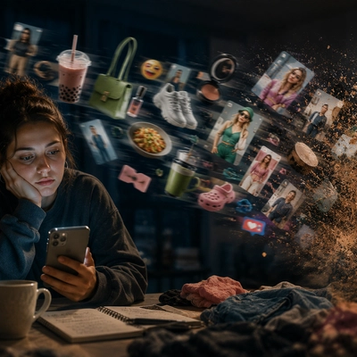
They decide what people watch, which music becomes popular, what news appears in feeds, which products trend online, and even who users interact with digitally. Every scroll, click, pause, and search helps platforms predict what people are most likely to engage with next.
For many users, this feels convenient.
Algorithms reduce effort, personalize experiences, and deliver endless streams of content tailored to individual interests. But as these systems become more powerful, many people are beginning to question what gets lost when technology increasingly decides what humans consume, value, and pay attention to.
The issue is no longer only technical — it is deeply cultural.
Key Takeaways
- Algorithms increasingly shape culture, entertainment, and information
- Personalized feeds can narrow perspectives over time
- Convenience often comes at the cost of independent discovery
- Viral algorithms reward engagement rather than quality
- Many people feel culture is becoming more repetitive and predictable
1. Algorithms Changed How People Discover Culture
In the past, discovering music, films, books, or trends often required more active searching. People explored bookstores, listened to radio stations, followed critics, or received recommendations through friends and communities. Today, algorithms increasingly control discovery by predicting what users are most likely to click on based on previous behavior.
This creates highly personalized digital experiences, but it also changes how culture spreads. Instead of shared cultural experiences emerging naturally, many people now consume content filtered through systems designed primarily to maximize engagement and screen time.
2. Convenience Reduced Curiosity
One hidden cost of algorithmic recommendation systems is that they reduce the need for intentional exploration. Streaming platforms automatically queue the next show, social media continuously refreshes personalized feeds, and music apps generate playlists instantly. Users rarely need to search deeply because algorithms constantly deliver content for them.
While this feels efficient, it can slowly weaken curiosity and independent discovery. People often remain inside familiar digital patterns rather than encountering unexpected ideas, styles, or perspectives outside their existing preferences.
3. Algorithms Reward What Gets Attention — Not Necessarily Quality
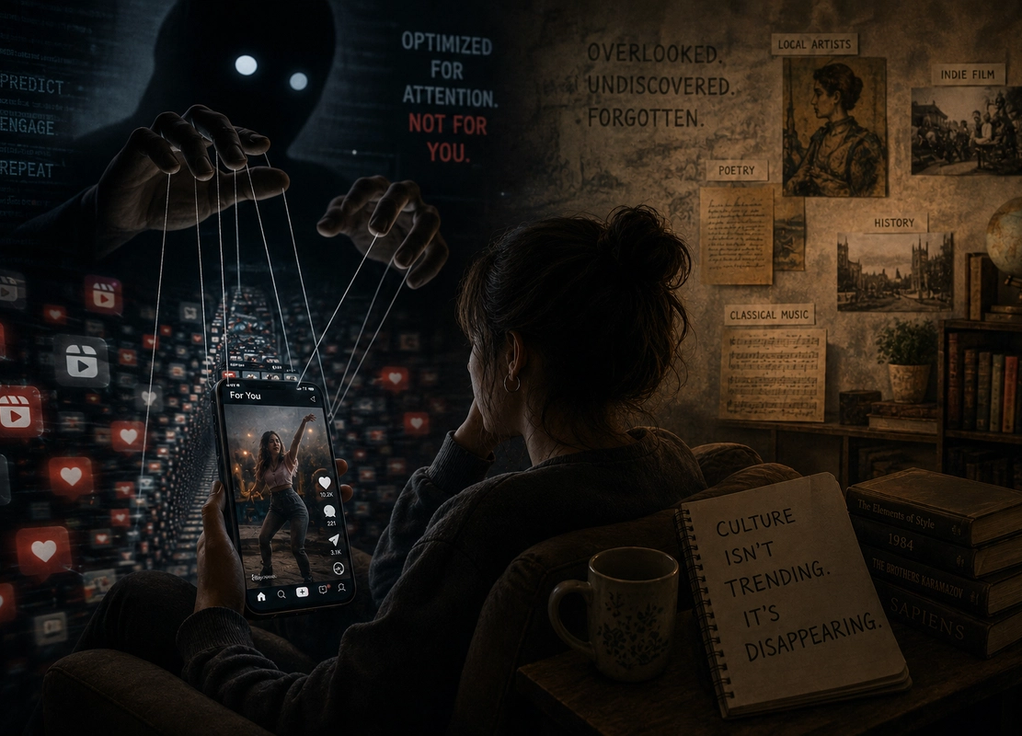
Most major platforms optimize for engagement. This means algorithms prioritize content that generates strong reactions, clicks, shares, comments, or watch time. Emotional intensity, outrage, controversy, and fast entertainment often perform better online than slower, more thoughtful, or nuanced content.
As a result, digital culture increasingly rewards visibility over depth. Creators, influencers, journalists, and even artists often adapt their work to fit algorithmic systems because survival online depends heavily on remaining visible inside recommendation feeds.
4. Shared Culture Is Becoming More Fragmented
Algorithms personalize experiences so heavily that people increasingly live inside separate digital realities. Two users on the same platform may encounter entirely different news, trends, music, political conversations, and online communities based on algorithmic predictions.
This fragmentation weakens the sense of collective cultural experience that older forms of media often created. Instead of everyone watching the same shows, reading similar news sources, or participating in shared conversations, culture now exists in countless smaller personalized streams.
5. People Are Losing Control Over Their Attention
One of the biggest concerns surrounding algorithms is how strongly they influence human attention itself. Modern platforms are designed to keep users engaged for as long as possible by constantly adjusting feeds and recommendations in real time.
Over time, this can shape habits, emotional responses, interests, and even beliefs without people fully realizing how much influence these systems have. Many users now feel trapped in cycles of endless scrolling, passive consumption, and digital overstimulation.
Viral Culture Moves Faster Than Ever
Algorithms dramatically accelerated cultural cycles online. Songs, aesthetics, memes, opinions, and trends now rise and disappear within days because platforms reward whatever generates immediate engagement.
While this speed creates excitement, it can also make culture feel disposable. Many trends no longer develop slowly or gain long-term meaning before disappearing beneath the next algorithmically amplified wave of content.
Human Taste Is Becoming Increasingly Influenced by Data
Recommendation systems do not simply respond to human preferences — they actively shape them. Algorithms learn what captures attention and gradually guide users toward certain behaviors, aesthetics, opinions, or forms of entertainment.
Over time, people may begin consuming what platforms optimize rather than what they intentionally choose independently. This raises difficult questions about whether personal taste is still fully personal in heavily algorithmic environments.
Some People Are Beginning to Resist Algorithmic Culture
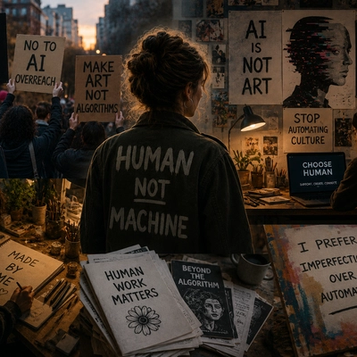
As awareness grows, some users are intentionally trying to reclaim more control over their attention and cultural experiences. People are returning to physical books, independent media, local communities, slower hobbies, curated playlists, newsletters, and offline experiences partly because they feel exhausted by algorithm-driven environments.
This resistance reflects a growing desire for more intentional and less automated forms of discovery. Many people are realizing that convenience does not always create deeper satisfaction or meaning.
Algorithms Quietly Reshaped Modern Culture
Algorithms are now deeply embedded in how modern society communicates, entertains itself, learns, shops, and forms opinions. They made digital life faster, more personalized, and incredibly efficient. But they also changed how culture spreads, how people discover ideas, and how attention itself functions online.
The cultural cost is not always obvious because these systems operate quietly in the background. Yet the more algorithms choose for people, the more important it becomes to ask whether humans are still actively shaping culture — or simply reacting to what machines decide will keep them engaged next.