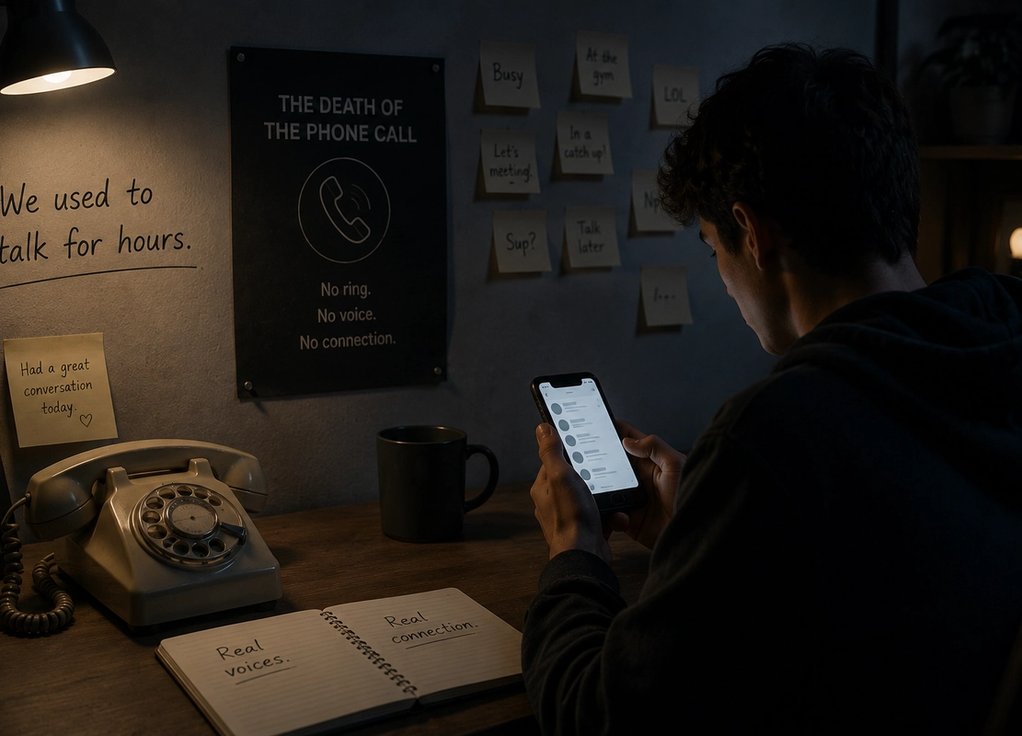
The Death of the Phone Call
Sarah Lee
May 27, 2026
Not long ago, phone calls were one of the most common forms of communication.
People called friends after school, spent hours talking on landlines, and used phone conversations for everything from casual check-ins to important work discussions. Hearing someone’s voice felt natural, expected, and often necessary.
Today, that culture has changed dramatically.
Many people, especially younger generations, now avoid phone calls whenever possible. Text messages, voice notes, social media apps, and direct messaging have largely replaced traditional calling for everyday communication. In many cases, receiving an unexpected phone call now creates anxiety rather than excitement.
The phone call is not completely disappearing, but its role in modern life is clearly shrinking.
Key Takeaways
- Texting and messaging apps replaced many traditional phone calls
- Younger generations often prefer asynchronous communication
- Phone calls increasingly feel intrusive or emotionally demanding
- Work culture and technology accelerated communication changes
- Voice communication still matters, but its role is evolving
1. Texting Became Faster and More Convenient
One of the biggest reasons phone calls declined is simple convenience.
Texting allows people to communicate without immediately interrupting what someone else is doing. Messages can be answered later, conversations happen at flexible speeds, and people have more control over how and when they respond.
For many individuals, this feels less stressful than live conversation.
Messaging also allows multitasking in ways phone calls do not. People can text while working, commuting, watching something, or handling other responsibilities, making it easier to fit communication into busy modern schedules.
2. Phone Calls Now Feel More Intense
For many younger people, phone calls feel emotionally heavier than texting.
A call demands immediate attention, instant responses, and sustained focus in real time. Unlike texting, there is little opportunity to pause, edit thoughts, or carefully consider responses before speaking.
This shift partly explains why many people now text first before calling or avoid calls altogether unless something feels urgent.
Unexpected phone calls can even trigger anxiety because modern communication habits have changed so dramatically toward lower-pressure forms of interaction.
3. Smartphones Changed Communication Habits Completely
Ironically, smartphones helped reduce phone calls.
While phones were originally designed primarily for calling, smartphones transformed into all-purpose communication devices centered around apps, messaging platforms, social media, and short-form interaction. Communication became faster, shorter, and more fragmented across multiple digital spaces.
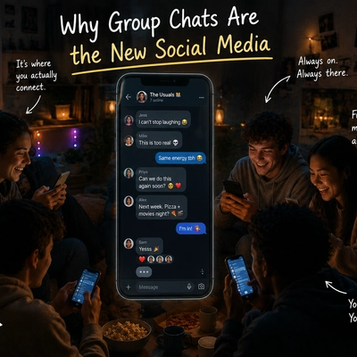
People now maintain relationships through memes, voice notes, reactions, group chats, videos, and social media updates rather than long conversations alone.
As a result, phone calls became just one communication option among many instead of the default standard.
4. Work Culture Shifted Toward Messaging Too
The decline of phone calls is not limited to personal life.
Workplaces increasingly rely on emails, Slack messages, Teams chats, and collaborative platforms instead of constant calling. Many employees prefer written communication because it creates records, reduces interruptions, and allows people to respond more efficiently.
Remote work accelerated this shift even further.
While video meetings remain common, many companies now prioritize asynchronous communication to reduce meeting fatigue and improve productivity.
The modern workplace increasingly values flexibility over immediate response.
5. Voice Communication Is Evolving, Not Disappearing
Although traditional phone calls declined, people are not abandoning voice communication entirely.
Voice notes, podcasts, video calls, and audio messaging remain extremely popular because hearing someone’s voice still creates emotional connection in ways text alone often cannot. The difference is that people now prefer more flexible forms of voice interaction that do not require immediate live conversation.
This reflects a broader change in communication culture.
People increasingly prioritize convenience, control, and reduced social pressure when interacting digitally.
Younger Generations Grew Up Communicating Differently
Many younger adults simply did not grow up using phone calls as heavily as previous generations did.
They entered adolescence during the rise of texting, instant messaging, and social media platforms where communication happened continuously through written updates rather than long conversations. As a result, phone calls often feel less natural to them than they do to older generations.
This generational divide sometimes creates misunderstandings about communication etiquette and responsiveness.
What once felt polite and normal can now feel intrusive or unnecessary depending on the age group.
The Decline of Phone Calls Reflects Bigger Cultural Changes
The shift away from phone calls says a lot about how modern life itself changed.
People live with more distractions, busier schedules, shorter attention spans, and constant digital stimulation. Communication increasingly happens in fragmented moments throughout the day instead of long uninterrupted conversations.
Technology also changed expectations around availability.
Many people now value communication methods that allow greater control over time, energy, and emotional engagement rather than requiring immediate participation.
Some People Miss the Personal Connection
Despite the convenience of texting, many people feel something valuable has been lost.
Phone conversations often create stronger emotional nuance, spontaneity, and human connection than written messages alone. Tone of voice, laughter, pauses, and natural conversation dynamics are difficult to fully replicate through text.
Some people now describe modern communication as efficient but emotionally thinner.
The decline of phone calls may have made communication easier, but not necessarily deeper.
The Phone Call Is No Longer King
Phone calls are unlikely to disappear completely anytime soon.
They still matter during emergencies, important conversations, family communication, and emotionally significant moments. But their dominance in everyday life has clearly faded as digital culture evolved.
Today, communication revolves more around flexibility, speed, and convenience than long live conversations.
And while people remain more connected than ever technologically, the gradual death of the phone call reveals how profoundly modern communication habits have changed.