Why Every Trend Now Lasts Two Weeks
Laurie Lucas
May 27, 2026
Not long ago, trends felt more stable.
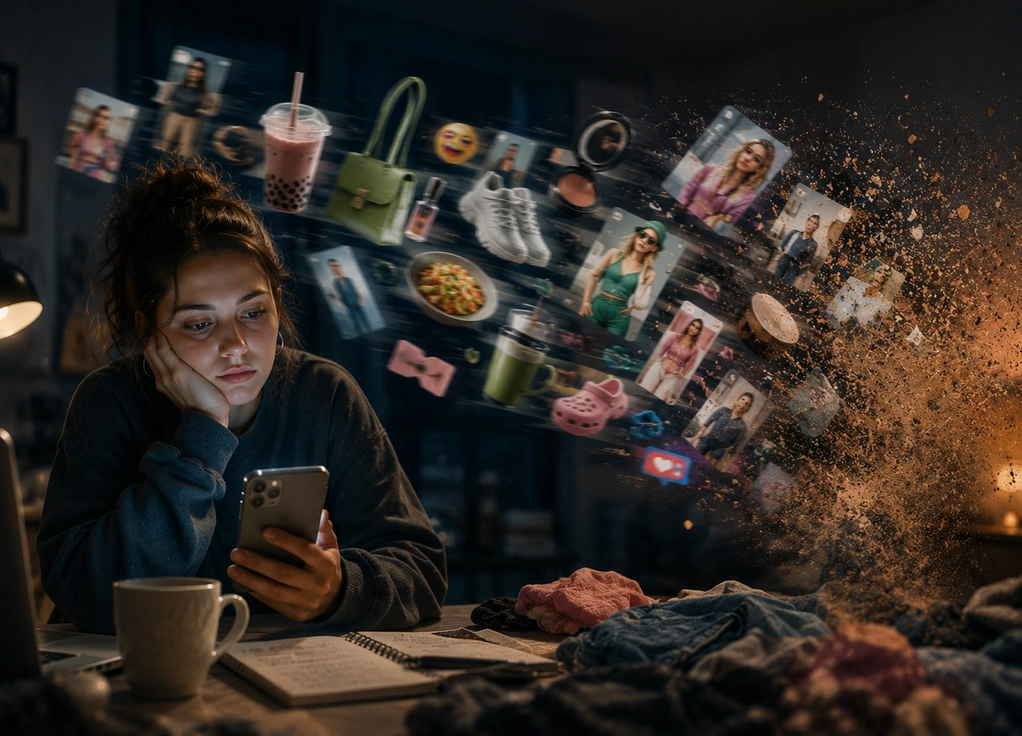
Fashion styles, internet culture, music movements, and even slang often remained popular for years before gradually fading away. Today, trends appear and disappear at astonishing speed. A viral aesthetic, song, meme, or product can dominate the internet one week and feel completely outdated the next.
The internet now moves so quickly that many people barely have time to fully understand a trend before another one replaces it.
This constant cycle reflects major changes in technology, algorithms, attention spans, and online culture itself. In the digital age, trends are no longer built to last — they are built to spread fast.
Key Takeaways
- Social media accelerated how quickly trends spread and disappear
- Algorithms constantly push users toward new content
- Short attention spans reward novelty over long-term popularity
- Fast-moving trends create pressure to stay constantly updated
- Internet culture now prioritizes speed and virality
1. Algorithms Constantly Demand New Content
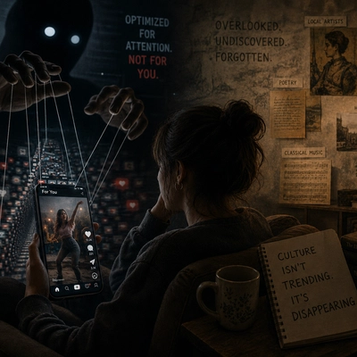
One of the biggest reasons trends disappear so quickly is because social media platforms are designed to reward constant novelty.
Apps like TikTok, Instagram, and YouTube continuously push fresh content into users’ feeds to maintain engagement. Once a trend becomes too familiar, algorithms begin prioritizing newer formats, sounds, aesthetics, or viral moments to keep people scrolling.
This creates an environment where trends burn intensely but briefly.
Instead of allowing cultural moments to develop slowly over time, platforms accelerate the cycle by constantly replacing older content with newer viral material almost immediately.
2. Everyone Participates at the Same Time
In the past, trends spread gradually through television, magazines, radio, or local culture.
Now, millions of people encounter the same trends simultaneously through global social media platforms. A viral song, fashion style, or meme can reach enormous audiences within hours instead of months.
While this creates massive visibility quickly, it also causes trends to become oversaturated extremely fast.
Once everyone starts copying the same aesthetic, joke, or format, internet culture often loses interest almost immediately and moves on to the next thing.
3. Attention Spans Became Shorter Online
Modern internet culture rewards speed and instant stimulation.
People consume massive amounts of content every day through short videos, endless scrolling, notifications, and rapidly changing feeds. As a result, audiences often become bored more quickly than before because there is always something newer competing for attention.
This constant exposure to fresh content changes how people engage with trends emotionally.
Instead of deeply investing in one movement or cultural moment for long periods, users jump rapidly between microtrends, aesthetics, and viral conversations.
4. Trends Became More About Visibility Than Identity
Many modern trends are less connected to long-term identity and more connected to temporary online participation.
People often join trends quickly because they want to feel culturally relevant or included in the current internet conversation. But once a trend loses visibility online, many users immediately abandon it because the social momentum disappears.
This is especially visible in fashion, aesthetics, and internet slang.
What once might have represented a lasting subculture now often functions as temporary online content that fades as soon as another trend becomes more algorithmically popular.
5. Fast Trends Create Constant Pressure to Keep Up
The rapid speed of internet culture can feel exhausting.
People are constantly exposed to new aesthetics, opinions, products, memes, and social expectations online. Missing even a few weeks of internet trends can sometimes make users feel disconnected from current conversations or digital culture.
This pressure partly explains why so many people feel mentally overloaded online.
The internet no longer moves in stable cultural waves — it moves in nonstop rapid cycles where everything feels temporary and disposable.
Brands and Companies Accelerated the Cycle Too
Businesses quickly recognized how profitable fast-moving internet culture could become.
Brands now monitor viral trends constantly and rapidly turn them into products, marketing campaigns, or content strategies almost immediately. Fast fashion companies, influencers, and social media marketers all contribute to shortening trend lifespans by commercializing them at extreme speed.
Once corporations fully absorb a trend, internet culture often abandons it even faster.
What begins as something creative or niche can quickly become overexposed once it appears everywhere online.
Nostalgia Is Appearing Faster Than Ever
One strange effect of rapid trend cycles is that nostalgia now develops incredibly quickly.
People already feel nostalgic for memes, aesthetics, apps, or internet eras that existed only a few years ago. Cultural moments no longer stay dominant long enough to feel stable before they become “old internet” almost immediately.
This creates a strange sense of digital time where trends age faster than previous generations experienced culturally.
The internet compresses cultural cycles into shorter and shorter periods.
Some People Are Starting to Reject Trend Culture Entirely
As trend cycles become more overwhelming, some people are intentionally stepping away from constantly chasing online relevance.
Many users are becoming more interested in personal style, slower hobbies, offline experiences, and long-term interests instead of endlessly adapting to whatever happens to be viral that week.
This reflects growing exhaustion with the speed of digital culture itself.
Constant novelty may keep platforms engaging, but it can also make online life feel emotionally draining and increasingly superficial.
Internet Culture Was Built for Speed
The reason trends now last two weeks is ultimately tied to how modern platforms operate.
Algorithms reward novelty, audiences consume content rapidly, and millions of people participate simultaneously in global digital culture. Together, these forces created an environment where trends spread faster than ever — but also disappear faster than ever.
And in a world where attention became one of the internet’s most valuable currencies, staying relevant often matters more than lasting.